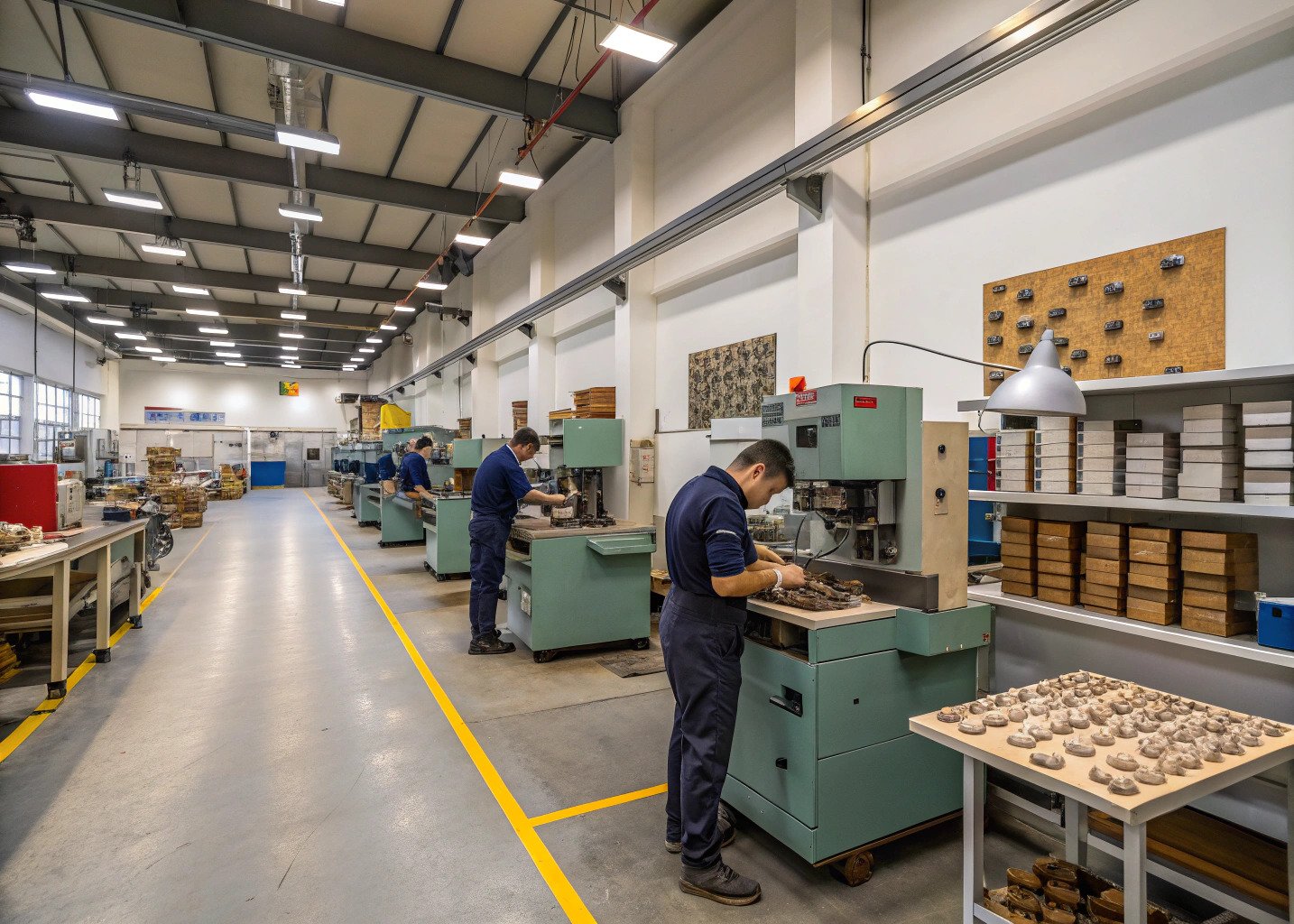
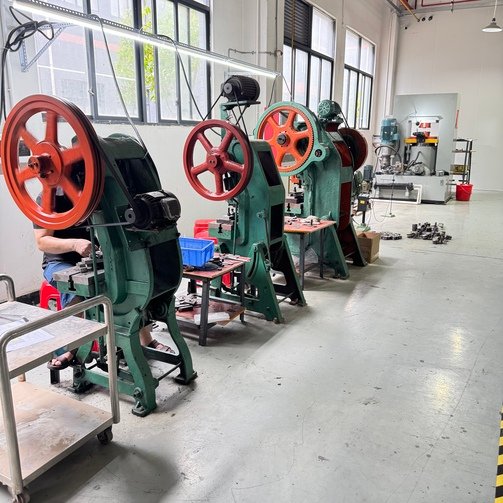
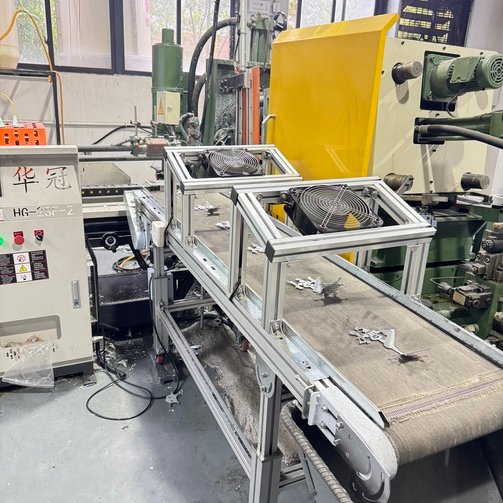
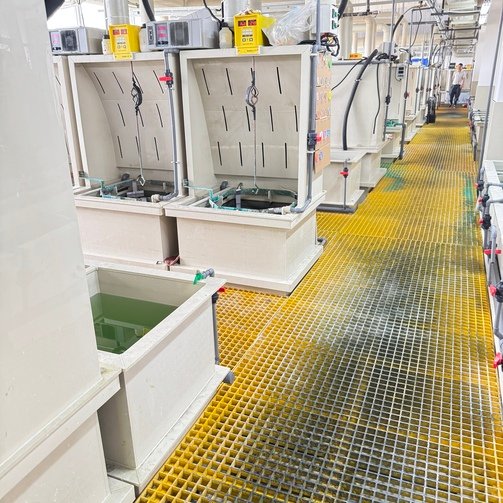
Making custom pins seems simple at first glance, but it's actually a complex process requiring precision at every step. From design to packing, each stage demands expertise to create flawless results.
Creating high-quality pins involves 13+ specialized steps: artwork proofing, mold engraving, casting, polishing, plating, coloring and final assembly. Experienced craftsmen carefully execute each process to ensure perfect results every time.
Many think pin production just means stamping metal shapes. The reality is far more technical. Let me walk you through the complete journey from design concept to finished product.
Creating custom pins requires careful coordination of multiple production stages. Missing one step can ruin the entire batch.
The full pin production process includes: 1) Artwork finalization 2) Mold creation 3) Metal casting 4) Polishing 5) Plating 6) Coloring 7) Printing 8) Assembly 9) Quality control 10) Packaging
Each phase builds upon the previous work. Here's why all steps matter:
Detailed breakdown of production phases
Artwork Preparation
Convert designs into production-ready files
Create vector outlines for mold carving
Finalize all color specifications
Mold Making Process
CNC machines carve steel molds
Precision engraving creates design cavities
Mold hardness determines durability
Mold Type
Durability
Cost
Soft Steel
5,000-10,000 pins
$
Hard Steel
50,000+ pins
$$
Casting & Forming
Molten metal injected into molds
Different alloys affect finish quality
Requires proper temperature control
This careful sequencing ensures perfect replication of designs while maintaining structural integrity. Rushing any phase risks defects appearing later.
Why does each pin order require custom tooling?
Mass-produced items share identical molds, but every pin design needs unique tooling. This affects both cost and production timelines.
Custom pins always require new molds because each design has unique shapes/thicknesses. Even slight modifications mean creating fresh tooling from scratch.
Consider these factors about pin tooling:
Understanding mold expenses
No reuse potential: Designs dictate mold specifications
Set-up costs: First production run bears mold creation expenses
Complexity: More design details increase machining time
Production reality:
Simple shapes: $X per mold
Medium detail: $XX per mold
Complex designs: $XXX+ per mold
The inability to standardize tooling explains why small pin orders have higher per-unit costs than bulk purchases.
What skills do pin craftsmen need?
Pin manufacturing remains partially manual despite modern equipment. Workers need years of experience producing consistent quality.
Skilled pin artisans combine technical knowledge with hands-on polishing/plating expertise. They spot microscopic defects invisible to machines during quality checks.
Beyond operating equipment, craftsmen develop specialized abilities:
Artisan skills development
Visual inspection mastery
Identify minuscule plating inconsistencies
Detect hairline casting fractures
Spot color application errors
Material behavior knowledge
Understand how metals react to polishing
Predict plating adhesion outcomes
Adjust processes for alloy variations
Problem-solving experience
Rectify defects without scrapping batches
Modify techniques for complex geometries
Maintain standards across long productions
These hard-won skills explain why manufacturers can't simply hire untrained workers despite having advanced machinery.
Conclusion
Creating perfect pins requires specialized tooling, multi-stage production, and experienced artisans working together - making quality pins demands both precision and craftsmanship.
Related Articles
Discover more insights about metal crafts and manufacturing